
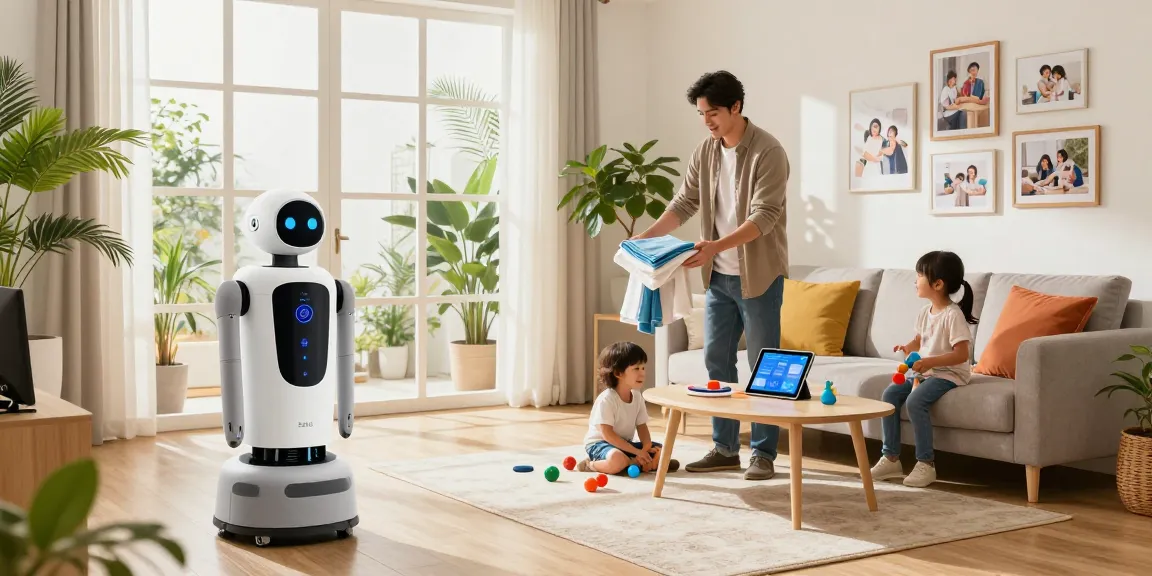
Understanding Home Robots in 2026
As we step into 2026, the landscape of home automation is evolving, with home robots becoming an integral part of everyday life. These machines are designed not only to simplify household chores but also to enrich our lifestyles. From cleaning and cooking to providing companionship and security, the capabilities of home robots are expanding rapidly. Understanding what defines a home robot, their evolution, and the key features that will characterize them in 2026 is essential for anyone looking to enhance their living environment.
When exploring options, home robot 2026 provides comprehensive insights into the latest technologies and advancements in the field. With numerous companies entering this competitive arena, potential buyers must be informed about the features and benefits that modern home robots offer.
What is a Home Robot?
A home robot is an automated device designed to perform specific tasks in residential settings. These tasks range from mundane chores like vacuuming to advanced functions such as monitoring household security or assisting the elderly. The emergence of smart home technology has powered the development of these robots, making them more intuitive and user-friendly.
The Evolution of Home Robots
Home robots have come a long way since their inception. Initially limited to basic functions like vacuum cleaning, they have evolved to embrace artificial intelligence (AI) and machine learning (ML), allowing for improved adaptability and efficiency. In the early 2000s, devices like the Roomba paved the way for robotic vacuum cleaners. Today, robots can map floor plans, interact with users, and even learn from their environments.
Key Features of 2026 Home Robots
With advancements in technology, home robots in 2026 are expected to boast a variety of impressive features. Key characteristics will include:
- AI-Powered Navigation: Enhanced navigation systems that allow robots to move seamlessly around the home, avoiding obstacles and optimizing routes.
- Integration with Smart Home Devices: The ability to connect with other smart devices, allowing for a more cohesive home automation experience.
- Multi-functionality: Robots capable of performing various tasks, including cleaning, cooking, and monitoring, reducing the need for multiple devices.
- Improved User Interaction: Voice recognition and AI-driven responses that create a more interactive and engaging experience for users.
- Safety and Security Features: Robotics equipped with surveillance capabilities to enhance home security.
Benefits of Home Robots for Families
Enhancing Family Life
Home robots serve not only as assistants but also as companions that can enhance family dynamics. For families with busy schedules, these robots can take over time-consuming chores, allowing more time for family interaction and enjoyment. Additionally, their presence can make homes more accommodating for elderly family members or those with disabilities.
Time Savings and Efficiency
One of the most compelling benefits of home robots is their ability to save time. With robots handling everyday tasks, families can allocate their time toward hobbies, education, or simply relaxing. This enhanced efficiency not only improves productivity but also contributes to a better work-life balance.
Safety Features in Home Robots
Modern home robots are equipped with safety features designed to protect family members, especially children and pets. This includes obstacle detection, hazard avoidance, and emergency response capabilities, giving families peace of mind while their robot performs tasks autonomously.
Popular Home Robot Models in 2026
NEO: The Ultimate Household Assistant
Among the notable entries in the market is the NEO home robot, known for its versatility and cutting-edge technology. NEO offers a range of functionalities, including cleaning, cooking assistance, and even home monitoring. Its advanced AI allows it to learn from its environment, making it a valuable addition to any household.
Comparative Analysis of Leading Robots
As consumer interest in home robots grows, several models are vying for attention. Notable examples beyond NEO include LG’s CLOiD and other brands that promise innovative features. A comparative analysis reveals differences in functionality, user experiences, and pricing, helping potential buyers make informed decisions based on their specific needs.
User Reviews and Feedback
Feedback from early adopters plays a crucial role in understanding the practical implications of these technologies. Many users have praised home robots for their efficiency and ability to streamline household management while also noting areas for improvement, such as integration issues with existing smart home systems.
Challenges and Considerations
Cost Implications of Home Robots
While the benefits are substantial, the cost of purchasing a home robot can be a barrier for many families. Prices can range widely depending on the robot’s capabilities, with advanced models like NEO being priced at upwards of $20,000. Understanding the investment versus long-term savings from time and labor is critical for potential buyers.
Integration with Smart Homes
As homes become increasingly smart, the integration of robots with existing systems can be challenging. Ensuring compatibility with a variety of devices, from lighting systems to security cameras, is essential for maximizing the potential of home robots. Manufacturers are working to improve these integrations, but it remains a key consideration for consumers.
Addressing Common Concerns
Concerns about privacy, security, and reliability often accompany the introduction of home robots. As these devices gather data to improve their functionality, consumers need to understand how this data is used and protected. Addressing these concerns through transparency is crucial for building trust with potential users.
The Future of Home Robots Beyond 2026
Technological Advancements on the Horizon
Looking ahead, the future of home robots appears promising. Innovations in AI, robotics, and IoT (Internet of Things) are set to create even more sophisticated devices capable of understanding and adapting to household dynamics. These advancements will likely revolutionize how families interact with their home environments.
Impact on Daily Life and Employment
The integration of home robots into everyday life may reshape household roles and responsibilities. While they offer significant advantages, there are concerns about the impact on employment in domestic work sectors. Understanding and preparing for these shifts will be important as society adapts to new norms.
Predictions for Home Robotics
Experts predict an ongoing trend of increasing automation in households. As technology evolves, the capabilities of home robots will likely expand, making them indispensable partners in home management. Innovations such as emotional recognition and enhanced problem-solving will create more engaging machine-human interactions.
How Do Home Robots Work?
Home robots utilize a combination of sensors, AI, and connectivity to perform tasks. Sensors allow them to navigate their environment, while AI algorithms enable them to learn from interactions and improve over time. Connectivity with the internet and other smart devices enhances their functionality, further streamlining household chores.
Are Home Robots Safe for Children?
Safety features in home robots are continually improving, and most modern devices are designed with children in mind. Features such as automatic shut-off, obstacle sensing, and remote control access ensure that interactions with children can be both safe and beneficial.
What Is the Cost of Home Robots in 2026?
The cost will vary significantly depending on the features and capabilities of the robot. Basic models may start around $1,000, while advanced robots like NEO can cost upwards of $20,000. Families should weigh these costs against the potential time savings and improvements in quality of life.
What Tasks Can Home Robots Perform?
Home robots are designed to tackle a wide array of household tasks. Basic cleaning, such as vacuuming and mopping, is common. More advanced robots may assist with cooking, laundry, and even monitoring security, offering valuable assistance across various domains.
Will Home Robots Become Commonplace?
As technology advances and prices become more competitive, it is likely that home robots will become commonplace. The convenience they provide aligns with lifestyle trends towards automation, making them appealing to a broader audience.
Are Home Robots Easy to Use?
Most new models are designed with user-friendliness in mind, featuring intuitive interfaces and straightforward setup processes. As manufacturers focus on enhancing user experience, future iterations of home robots will likely become even more accessible to a wider range of consumers.